First Commercially Available InGaAs Sensor with a pitch of 7.5um

Jan 17, 2020 | News

NIT introduces the First Commercially Available SWIR InGaAs Sensor @7.5um pitch
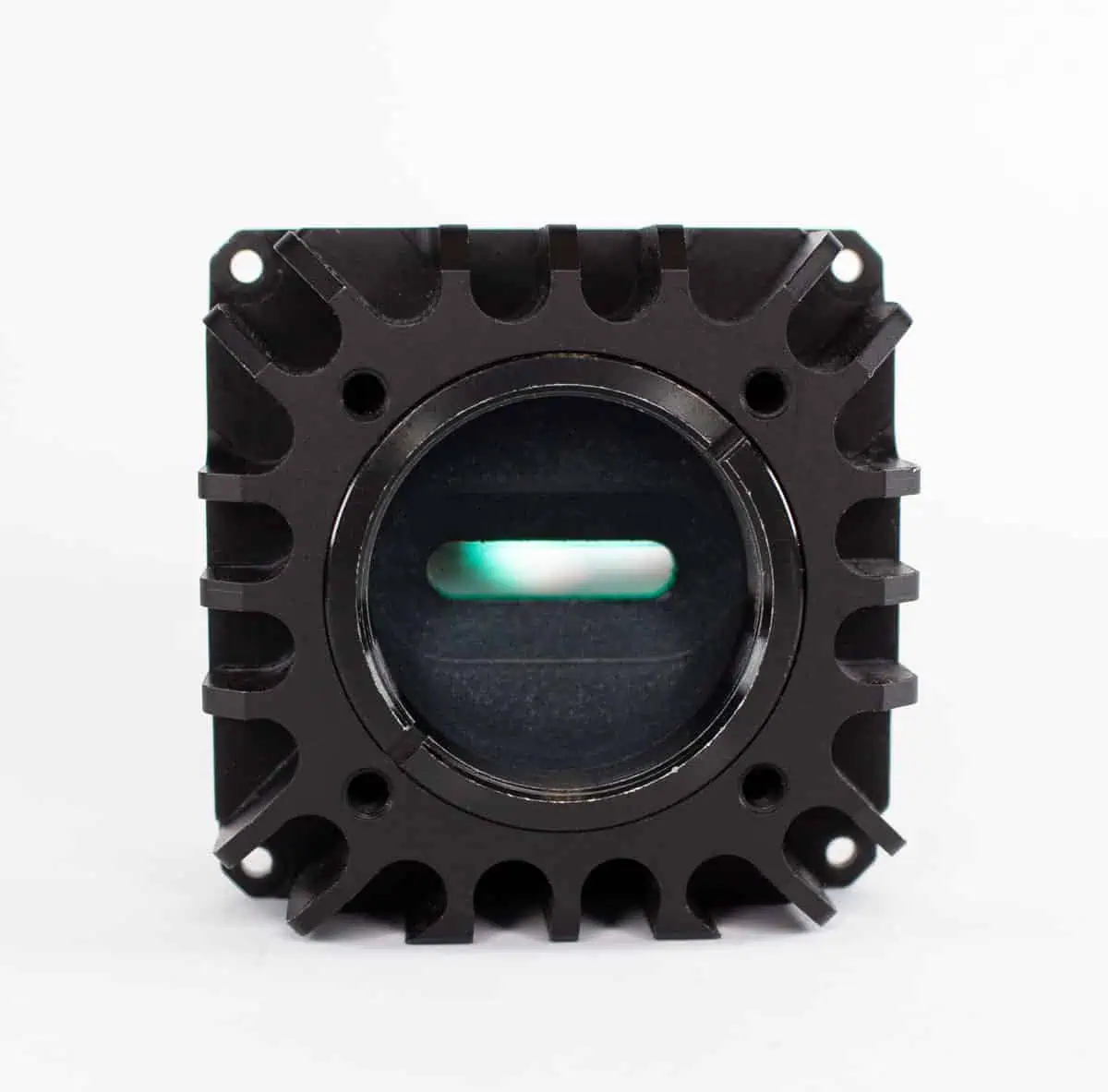
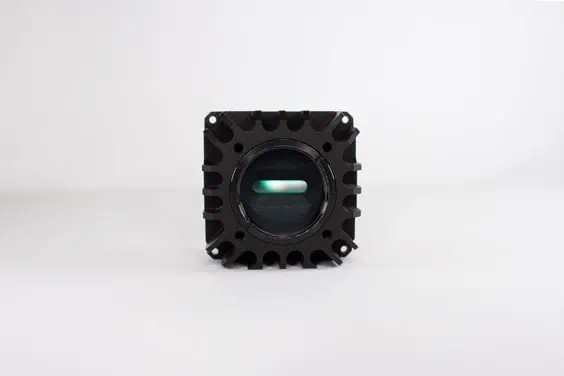
NIT's Line-scan 7.5um sensor

New Imaging Technologies (NIT) is pleased to announce its first commercially available SWIR InGaAs component with a pitch of 7.5µm, resulting from several years of R&D developing in-house an innovative hybridization process.

This process, which does not use the classical indium bumps technique, allows manufacturing hybrid sensors with very small pitches with high yield at a reduced cost. 

The first available component at 7.5µm pitch is a line array with the following characteristics : 

  • Pixel Number:  2048
  • Pitch: 7.5µm
  • Line speed: 60KHz @ full line
  • Well Fill: 25 Ke-
  • Readout Noise: <70e-
  • Dark Current: 8 fA @ 15°C 

This component and associated technologies will be presented during the OPTRO 2020 symposium on Thursday, January 30th @ 9h30 : 

« End-to-end production line for Short-Wavelength InfraRed camera development: use case of a 2048 pixel 7.5 µm pitch line scan sensor «

OPTRO 2020 event logo

Recent news

Meet NIT at the Industry’s Key Imaging Events This Fall

Meet NIT at the Industry’s Key Imaging Events This Fall

NIT's events 2026 This autumn, New Imaging Technologies (NIT), part of LYNRED, will be showcasing its latest short-wave infrared (SWIR) imaging solutions (0.9-1.7 µm) at several key industry events across machine vision, semiconductor, defense, aerospace, and...

SWIR for Earth Observation

SWIR for Earth Observation

SWIR for Earth Observation and Space Applications Short-Wave Infrared (SWIR) imaging is playing an increasingly important role in Earth observation and space applications, enabling advanced analysis capabilities across environmental monitoring, industrial inspection,...

SWIR Imaging for Firefighting UAVs and First Responders

SWIR Imaging for Firefighting UAVs and First Responders

SWIR for Firefighting In the chaos of a fire, every second counts—but smoke can blind even the most experienced firefighters. Traditional visible light cameras struggle in dense smoke, haze, or dust, leaving first responders at a disadvantage when they need clarity...