Laser applications
SWIR Imaging for Laser Applications: Beam Profiling, Alignment & Optical Communications
SWIR (Short-Wave Infrared) imaging enables visualization of laser emissions, beam characteristics, and optical signals invisible to standard visible imaging systems. With high sensitivity, low noise, high-speed acquisition, and high-resolution imaging, SWIR cameras support advanced laser applications across industrial, scientific, aerospace, and defense sectors.

NIT SWIR Products
why NIT?
Demonstration
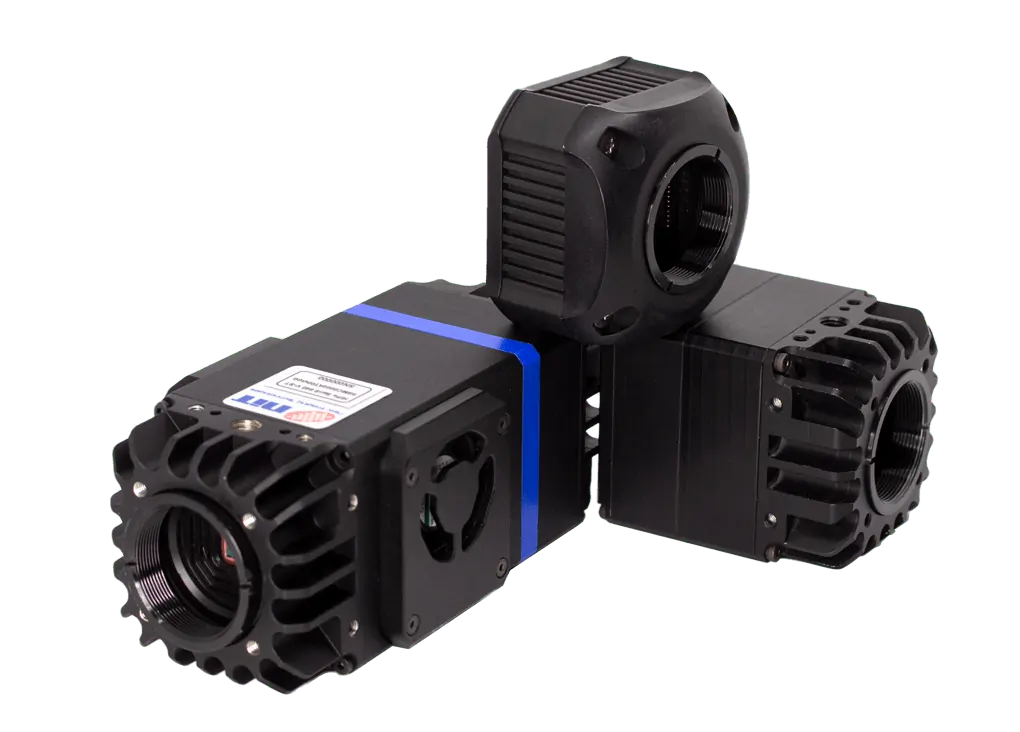
Recommended products
Why NIT SWIR Cameras for Semiconductor Inspection?
SWIR band
from 0.9µm to 1.7µm
High Resolution
(from qVGA to Full HD resolution)
High Speed
(1kHz full-frame; 10kHz ROI)
High Sensitivity
Low read-out noise
easy to integrate into any system
Various industrial interfaces
Software & SDK compatible with multiple environments
Demonstration images & videos

Recomended products
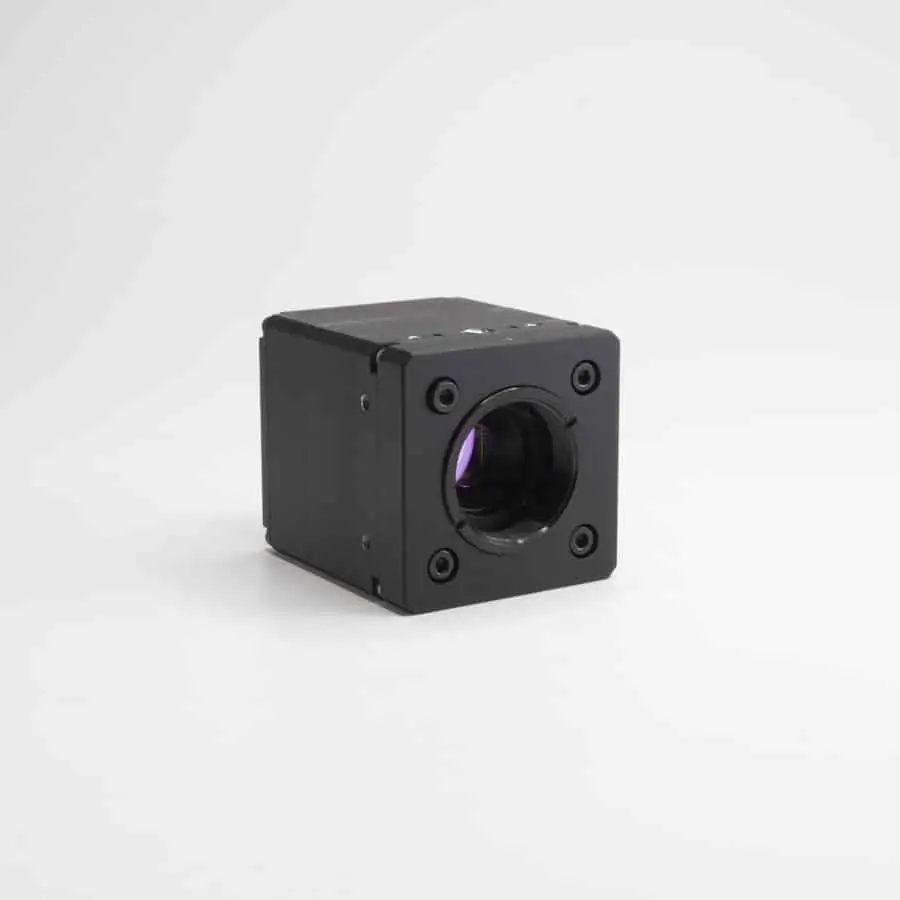
High Speed

- 320x256px @15μm pixel pitch
- High Speed (up to 10KHz ROI) + High sensitivity + HDR (120dB)
- USB 3.0/CameraLink
HDR & High Sensitivity
- 640x512px (VGA) @15μm pixel pitch
- HDR 120dB + Gated mode optional
- USB 3.0/CameraLink /GigE/Analog/SDI
High Sensitivity
- 1280x1024px @10μm pixel pitch
- Readout noise 30e- (Linear mode)
- USB 3.0/CameraLink
High Resolution
- 1920x1080px @8μm pixel pitch
- Readout noise 25e- (Linear mode)
- USB 3.0/CameraLink
Why Laser Imaging Is Challenging
Laser applications present several imaging challenges:
- Many industrial and telecom laser wavelengths are invisible in visible imaging
- High optical intensity can saturate standard cameras
- Precise beam alignment requires excellent sensitivity and stability
- Fast optical events require high-speed acquisition
- Atmospheric disturbances can affect long-distance optical systems
These challenges impact:
- Beam quality analysis
- Optical communication reliability
- Laser tracking accuracy
- Scientific instrumentation
- Aerospace optical systems
Reliable laser imaging systems must provide precise visualization while maintaining image quality across highly dynamic optical environments.
Why SWIR Imaging Improves Laser Applications
SWIR imaging operates in wavelength ranges commonly used by industrial, telecom, and defense laser systems.
Unlike visible imaging systems, SWIR cameras can directly visualize many infrared laser wavelengths, enabling:
- Beam visualization
- Laser alignment verification
- Optical signal tracking
- Beam profiling and diagnostics
- Long-distance optical system monitoring
SWIR imaging provides detailed structural and optical information while supporting high-speed acquisition and excellent image clarity.
This makes SWIR technology particularly valuable for:
- Optical communications
- Aerospace imaging systems
- Laser diagnostics
- Scientific research
- Industrial laser integration
Why Camera Performance Matters
Laser imaging systems require cameras capable of delivering:
- High sensitivity
- Low noise
- High-speed
- High-resolution imaging
These capabilities improve:
- Beam analysis precision
- Alignment stability
- Optical signal visualization
- Dynamic process monitoring
Choosing the Right Imaging Technology
| Need | Recommended Technology |
|---|---|
| Infrared laser visualization | SWIR |
| Beam profiling | SWIR |
| Optical communication alignment | SWIR |
| Thermal hotspot analysis | MWIR/LWIR |
| Standard visible laser alignment | Visible CMOS |
| High-speed laser monitoring | SWIR high-speed cameras |
Selecting the right imaging technology is critical for improving optical system reliability and imaging performance.
Key Laser SWIR Applications
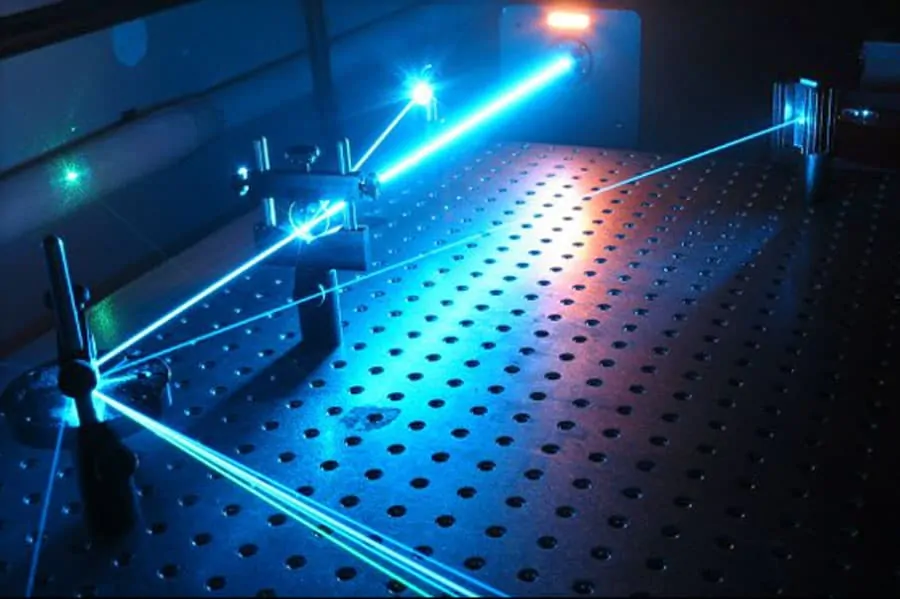
Laser Beam Profiling
Beam profiling is essential for evaluating laser system performance and stability.
SWIR imaging enables accurate analysis of:
- Beam shape
- Intensity distribution
- Beam uniformity
- Optical distortions
Applications include:
- Industrial laser calibration
- Scientific instrumentation
- Optical system optimization
- Laser R&D
High-speed SWIR imaging also supports real-time beam monitoring during dynamic laser processes.
Laser Alignment & Tracking
SWIR cameras improve precision alignment of infrared laser systems by enabling direct visualization of laser spots and optical paths.
Applications include:
- Optical bench alignment
- Industrial laser positioning
- Aerospace optical systems
- Defense laser tracking
High sensitivity and low-noise imaging improve alignment reliability and repeatability in demanding environments.
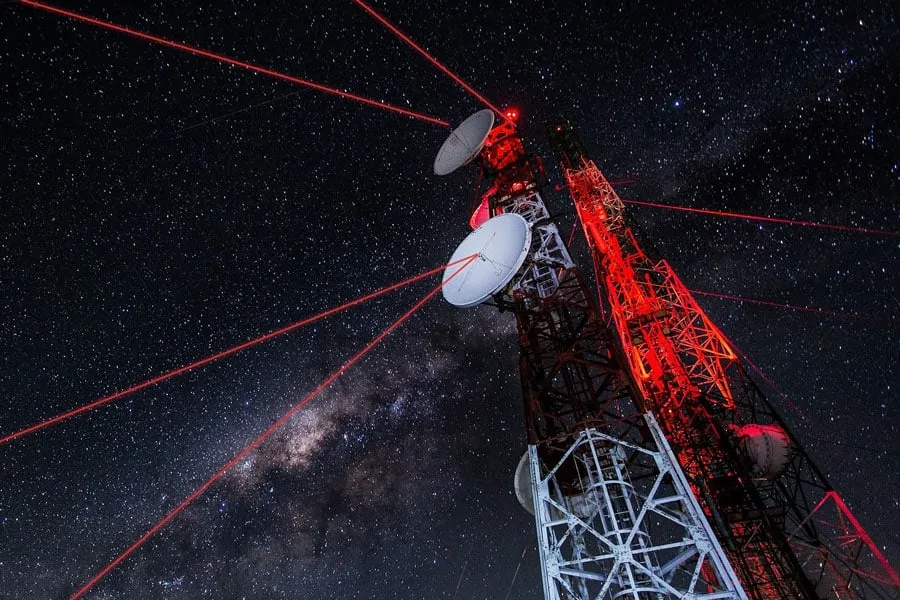
Free-Space Optical Communication (FSOC)
Free-Space Optical Communication systems use laser-based communication links to transmit data through the atmosphere or space.
SWIR imaging supports:
- Optical signal alignment
- Beam stabilization
- Communication link monitoring
- Tracking of optical terminals
SWIR cameras are particularly valuable for FSOC systems operating at telecom wavelengths commonly used in optical communications.
Applications include:
- Ground-to-ground optical links
- Airborne optical communication
- Satellite communication systems
- Secure communication networks
New Space Optical Systems
New Space applications increasingly rely on optical technologies for:
- Earth observation
- Optical payload alignment
- Space-based laser communication
- Satellite tracking
- Optical instrumentation
SWIR imaging enables precise visualization and monitoring of optical systems used in modern space platforms.
High-resolution and high-sensitivity SWIR cameras support:
- Space optics integration
- Laser communication payload testing
- Optical calibration
- Precision aerospace instrumentation
As satellite constellations and optical communication systems continue to expand, SWIR imaging becomes increasingly important for next-generation aerospace technologies.
Optical Metrology & Scientific Instrumentation
SWIR imaging is widely used in optical laboratories and scientific instrumentation for:
- Wavefront analysis
- Optical characterization
- Alignment verification
- Precision measurements
SWIR cameras help engineers and researchers analyze optical systems operating beyond the visible spectrum.
LiDAR & Active Imaging
SWIR imaging can also support:
- Active imaging systems
- LiDAR visualization
- Laser source analysis
- Distance imaging applications
SWIR technology enables reliable visualization of infrared laser emissions used in advanced sensing systems.
Frequently Asked Questions
What is SWIR imaging used for in laser applications?
SWIR imaging is used for laser beam profiling, alignment, optical communications, optical metrology, and scientific laser analysis.
Why are SWIR cameras useful for laser alignment?
Many industrial and telecom laser wavelengths are visible in the SWIR spectrum but invisible to standard visible cameras.
What is FSOC?
Free-Space Optical Communication (FSOC) is a laser-based communication technology that transmits data through free space using optical beams.
Why are high-speed SWIR cameras important for laser applications?
High-speed imaging enables visualization of fast optical events, pulsed laser behavior, and dynamic beam variations.
Can SWIR cameras visualize infrared laser beams?
Yes. SWIR cameras can directly image many infrared laser wavelengths commonly used in industrial and telecom systems.
Improve Laser Imaging with SWIR Technology
SWIR imaging provides powerful capabilities for advanced laser applications across industrial, scientific, aerospace, and defense environments.
Whether you are developing optical communication systems, performing laser diagnostics, or integrating advanced aerospace optical technologies, NIT SWIR cameras deliver the sensitivity, speed, and image quality required for demanding optical applications.
Request sample SWIR images
Discuss your Laser Applications